News
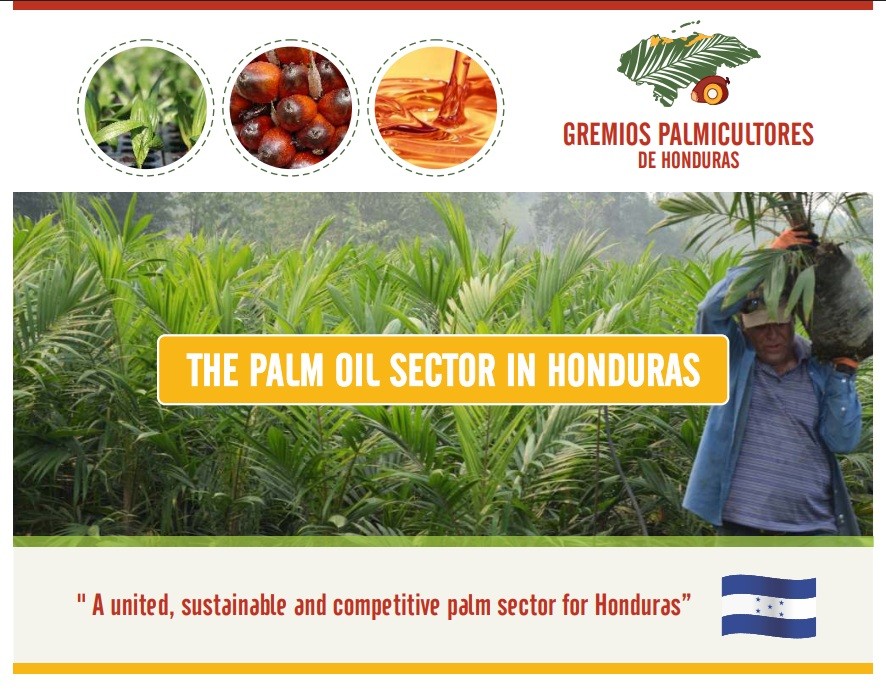
The Palm Oil Secrot in Honduras
CPOPC Digital Newsletter May - June
CPOPC Digital Newsletter March - April

FG Moves to Join Global Palm Oil Council as Full Member
The Federal Government is considering upgrading Nigeria’s status from observer to full member of the Council of Palm Oil-Producing Countries. The…

Nigeria moves toward full membership of global Palm Oil Council
Nigeria has taken steps toward becoming a full member of the Council of Palm Oil Producing Countries (CPOPC) following a high-level meeting between the Minister of Foreign Affairs, Ambassador Yusuf Maitama Tuggar, and the Council’s Secretary-General, Izzana Salleh, in Abuja on Friday.

Nigeria Moves to Join Global Palm Oil Council as Full Member
The Federal Government has initiated steps to upgrade Nigeria’s status from observer to full member of the Council of Palm Oil Producing Countries (CPOPC), in a move aimed at revitalising the nation’s palm oil industry and strengthening its influence in global trade negotiations
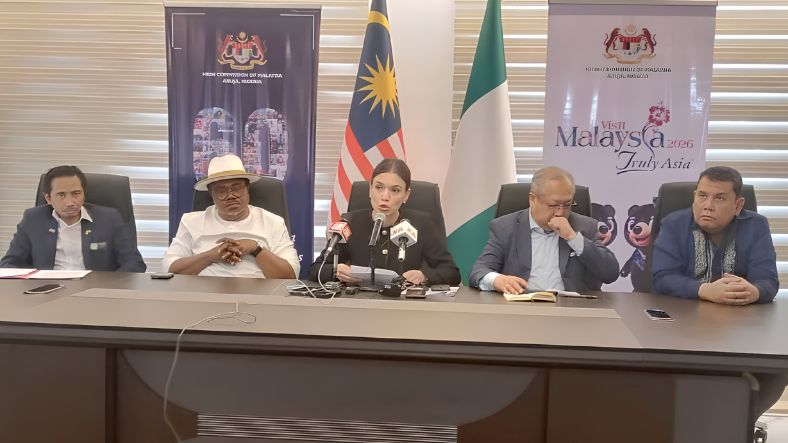
Council, Nigeria to deepen cooperation in palm oil production
The Council of Palm Oil Producing Countries (CPOPC) has pledged to deepen technical and policy cooperation with Nigeria to boost oil palm production, integrate smallholder farmers, and strengthen supply chain alignment.
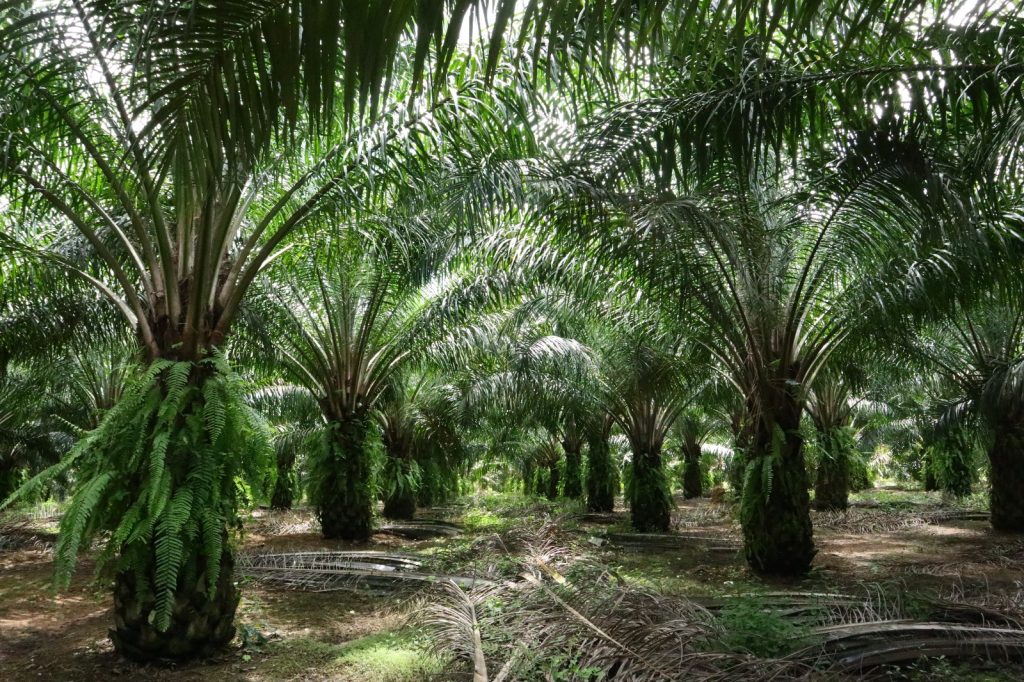
NO PALM OIL: The deception behind the misleading labels
Widespread "No Palm Oil" labels are misleading and overlook Palm Oil’s industry’s efficiency and sustainability measures. Within a EU's food labelling framework flawed and leading consumers to confusion, it is high time for these deceptive claims to be overcome.

Indonesia and Malaysia tackling deforestation as new EU restrictions loom
Some stakeholders say the European Commission’s deforestation designations are too political for some, and too soft for others. Can the Commission’s balancing act protect the environment without destroying jobs?
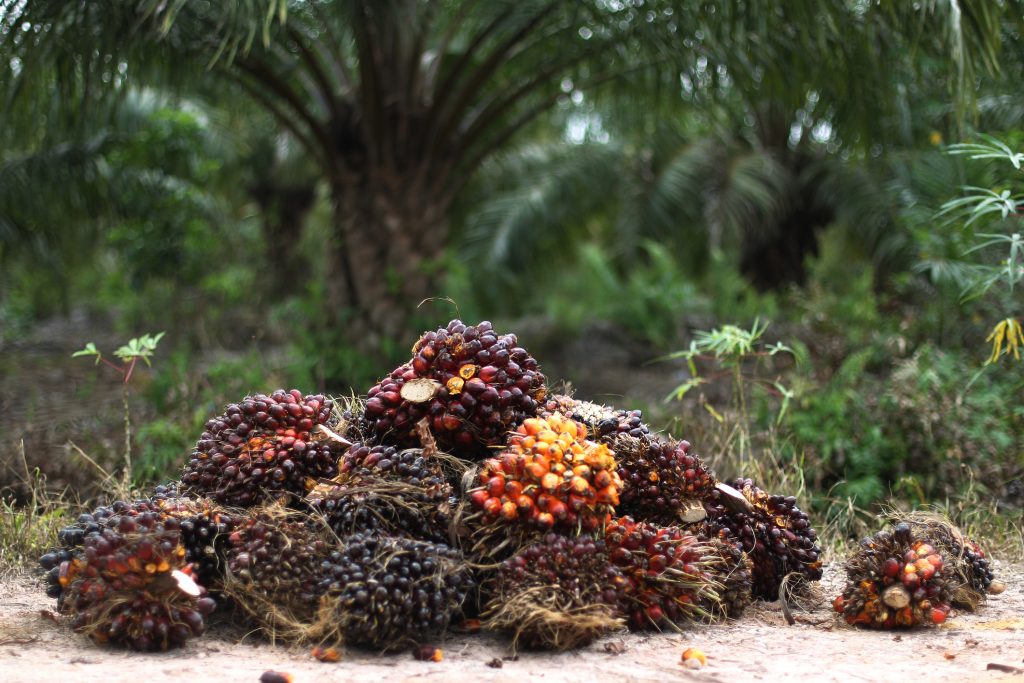
Palm oil nations are struggling to balance environmental concerns with economic risks
Environmentalists have raised red flags about cultivating palm oil. Malaysia and Indonesia are addressing these concerns, but they risk damaging a major economic sector in doing so.
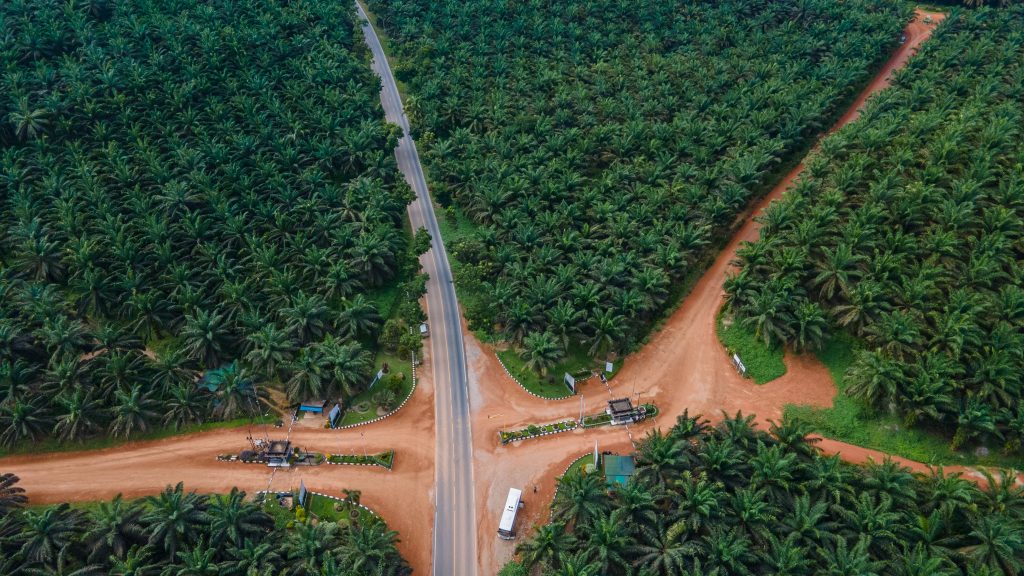
Can palm oil go net zero? Inside the push to cut climate impact
The world’s most widely used vegetable oil is at the heart of a decades-long battle between economic development and environmental damage. More can be done.
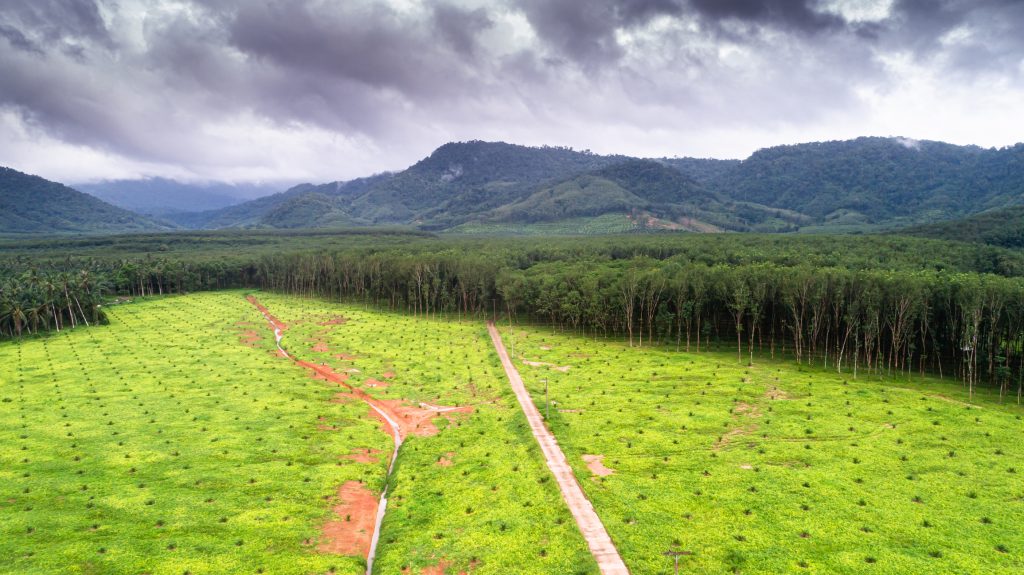
Indonesia pushes for South-South cooperation on palm oil sustainability standards
Comprehensive global standards for palm oil management and trade are being developed through BRICS, CPOPC and FAO, but will they sync with the EU’s Deforestation Regulation?
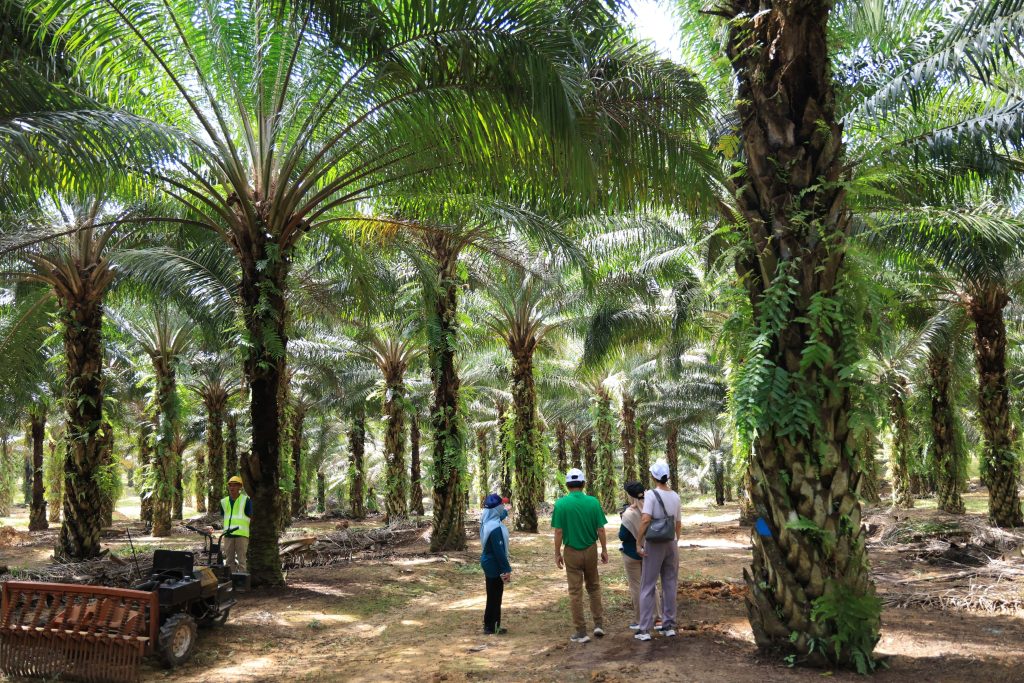
Oil Palm Smallholders: Their Stories, Their Legacy
Despite playing an essential role in the global supply chain of palm oil, and supporting regional and national economy, discussions on oil palm smallholders are limited in mainstream conversations.
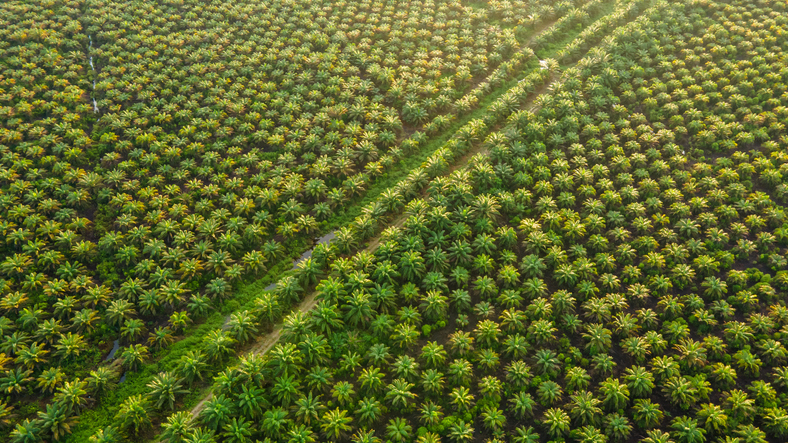
Businesses look to import palm oil sustainably as EU legislation bites
New EU legislation and a fresh free trade deal will have major implications for an ingredient found in much of the food on European plates
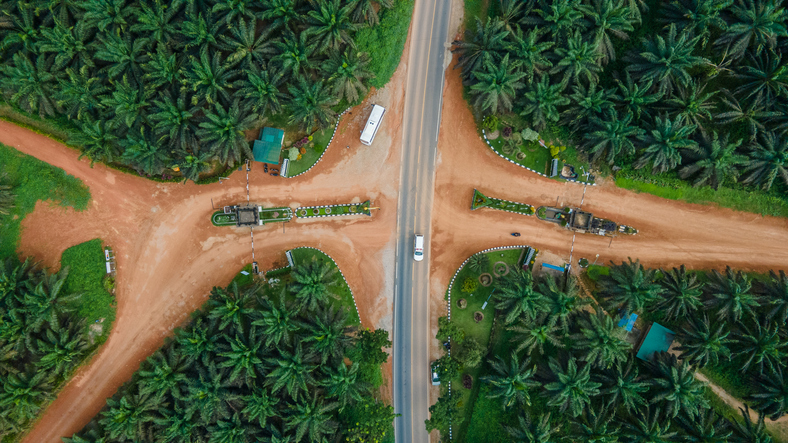
Palm oil producers call for clarity as EUDR delay debate deepens
Palm oil producers are calling for clarity from the European Union on the implementation of its Deforestation Regulation (EUDR), as political uncertainty mounts after Austria’s call to ‘stop the clock’ on the regulation’s timeline.
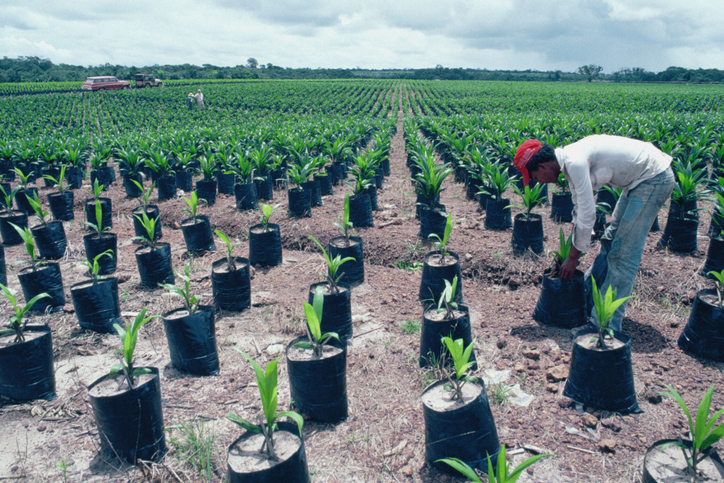
Match deforestation policy ambition with real implementation, says palm oil chief
As the European Union nears the final stretch in negotiations over the Deforestation Regulation (EUDR), producing countries gathered in Brussels for high-stakes talks with policymakers and industry stakeholders.

A Window for Collaboration: Turning the EUDR Delay into a Practical Partnership
The Council of Palm Oil Producing Countries (CPOPC) welcomes the European Union’s decision to postpone the full implementation of the EU Deforestation Regulation (EUDR) until December 2026, with micro and small operators given additional time until mid-2027.
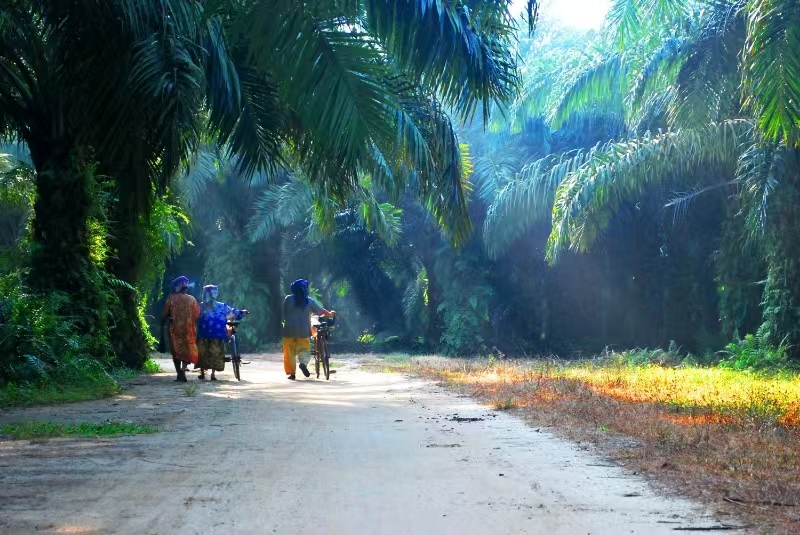
The sustainable path of palm oil: traceable from the source to the carbon footprint certification of the industrial chain
In April this year, the Council of Palm Oil Producing Countries (CPOPC), an intergovernmental organization composed of major palm oil producing countries, visited China to discuss the sustainable development path of the palm oil supply chain.
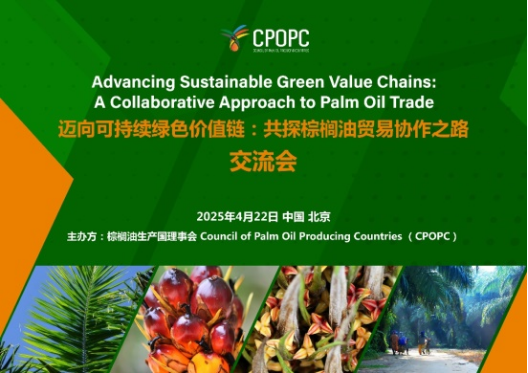
Strengthen cross-sectoral cooperation to jointly promote the sustainable development of palm oil trade
Recently, a delegation from the Council of Palm Oil Producing Countries (CPOPC), an intergovernmental organization comprised of major palm oil producing countries, held its first luncheon in Beijing.
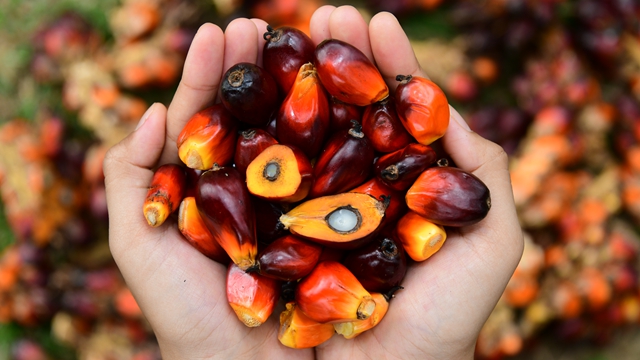
How does palm oil move from the table to the tank, affecting price and supply? The Secretary-General of the Council of Palm Oil Producing Countries replied to the first fiscal year
For palm oil, the Council of Palm Oil Producing Countries (CPOPC) plays a role similar to that of OPEC for oil.
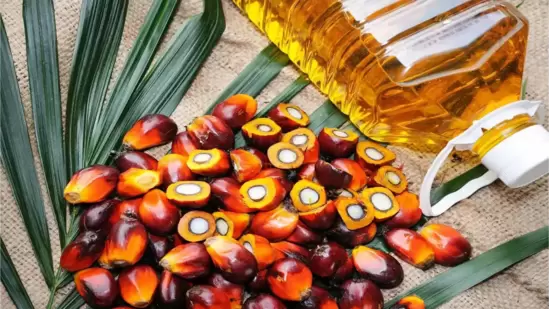
Palm Oil: Time to Rethink the Narrative
A misunderstood ingredient with a controversial reputation. An expert-led webinar looks to debunk the myths and highlight the facts.
Embracing Sustainable Palm Oil: Shaping the Future Today By Dr. Puah Chiew Wei
Sustainable palm oil is driving global transformation through innovation, certified practices, and commitment to a greener, inclusive future.
Let’s Talk about Palm Oil: What You Need to Know
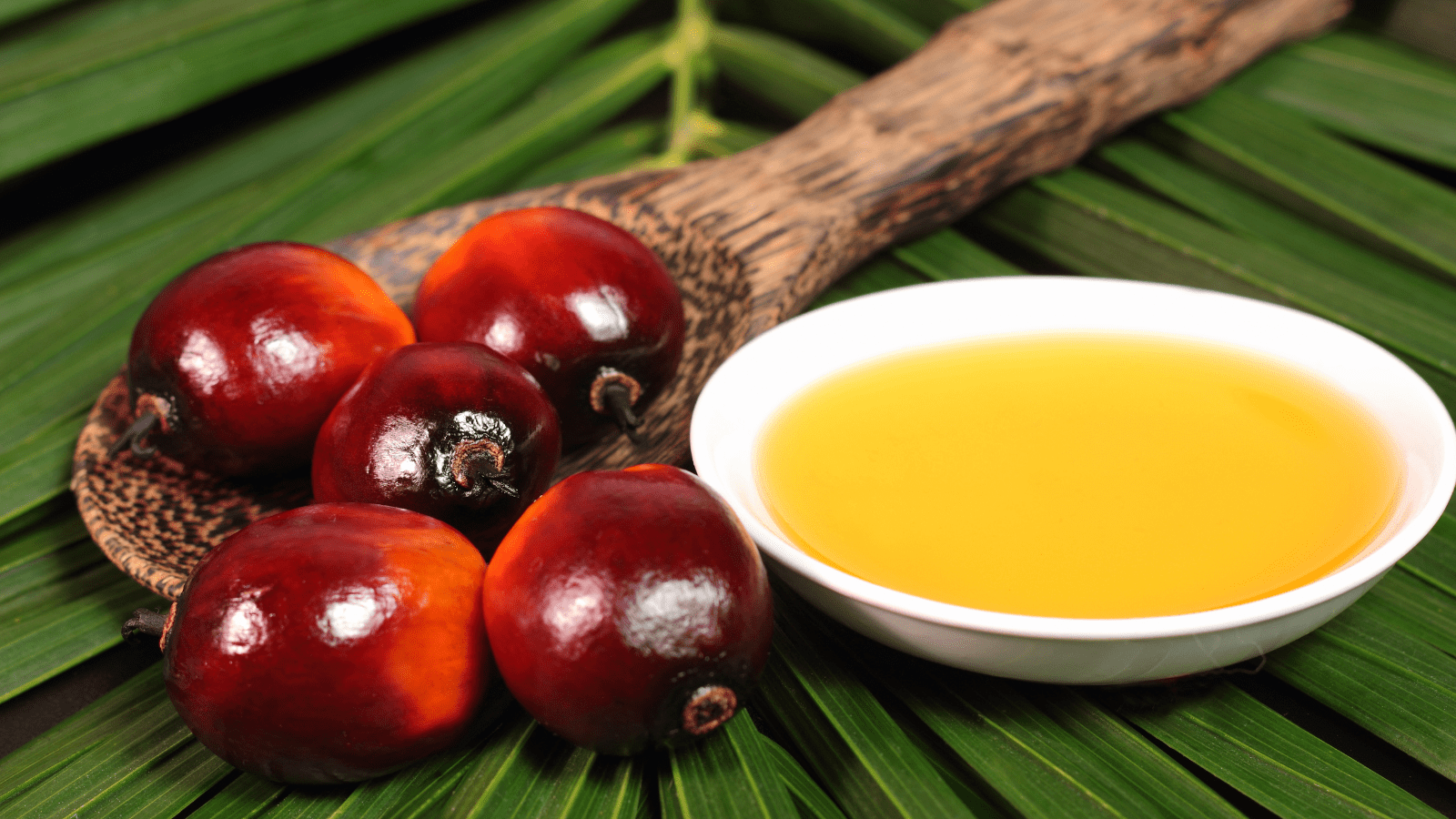
Question 1: What is palm oil, and what makes it so important? Answer: Palm oil (derived from the oil palm species Elaeis guineensis) is the most widely traded and consumed vegetable oil in the world.
“No Palm Oilâ€: A Marketing Gimmick?
Misconceptions about palm oil's health and environmental impact persist. Scientific evidence supports its safe consumption and sustainable production practices.
India: A Growth Frontier for Sustainable Palm Oil By Dr. Puah Chiew Wei
India is the most populous country in the world, with a population exceeding 1.46 billion people. The rapid population growth presents significant opportunities for potential growth, particularly in the demand for both food and non-food products across the nation. Thus, it is essential to develop strategies and policies through a holistic and comprehensive approach to ensure security in both food and non-food sectors including energy.

Malaysia, Indonesia to send palm oil mission to EU next week
KUALA LUMPUR -- Malaysia and Indonesia are sending a "very crucial" mission to Brussels next week to argue against the European Union's new deforestation regulation, which will likely impact the Southeast Asian nations' agriculture sector.
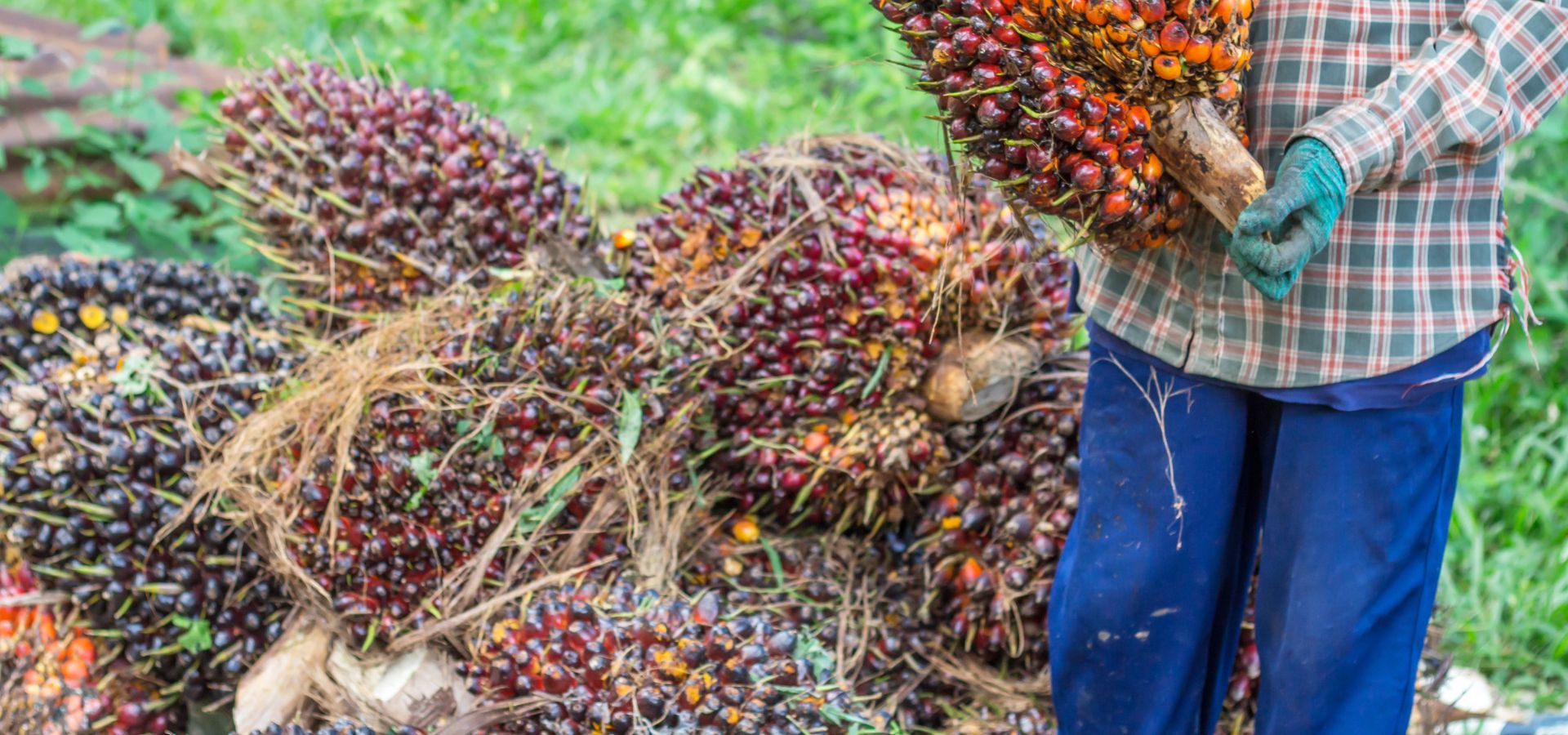
Palm oil prices to stay high as fertiliser costs limit output - CPOPC
KUALA LUMPUR, Dec 30 (Reuters) - Palm prices are expected to stay strong next year as production will remain constrained due to soaring fertiliser costs and
VEGOILS Palm oil falls for second day on weaker crude, soyoil
KUALA LUMPUR, Dec 30 (Reuters) - Malaysian palm oil futures reversed early gains on Thursday to decline for a second consecutive session, pressured by weaker crude and rival soyoil, but tight supply sentiment put a floor below prices.
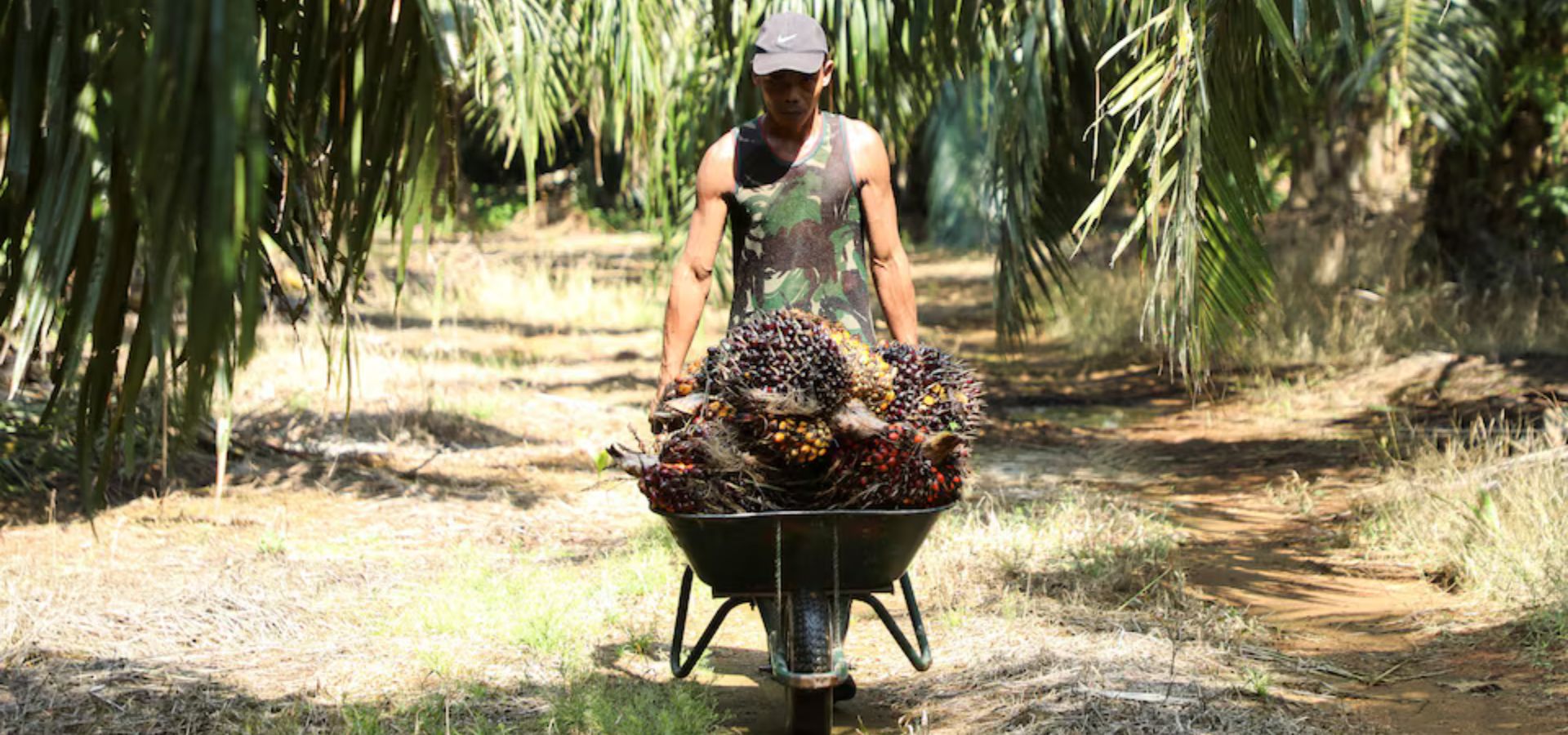
Malaysia says it could stop palm oil exports to EU after new curbs
KUALA LUMPUR, Jan 12 (Reuters) - Malaysia said on Thursday it could stop exporting palm oil to the European Union in response to a new EU law aimed at protecting forests by strictly regulating sale of the product.
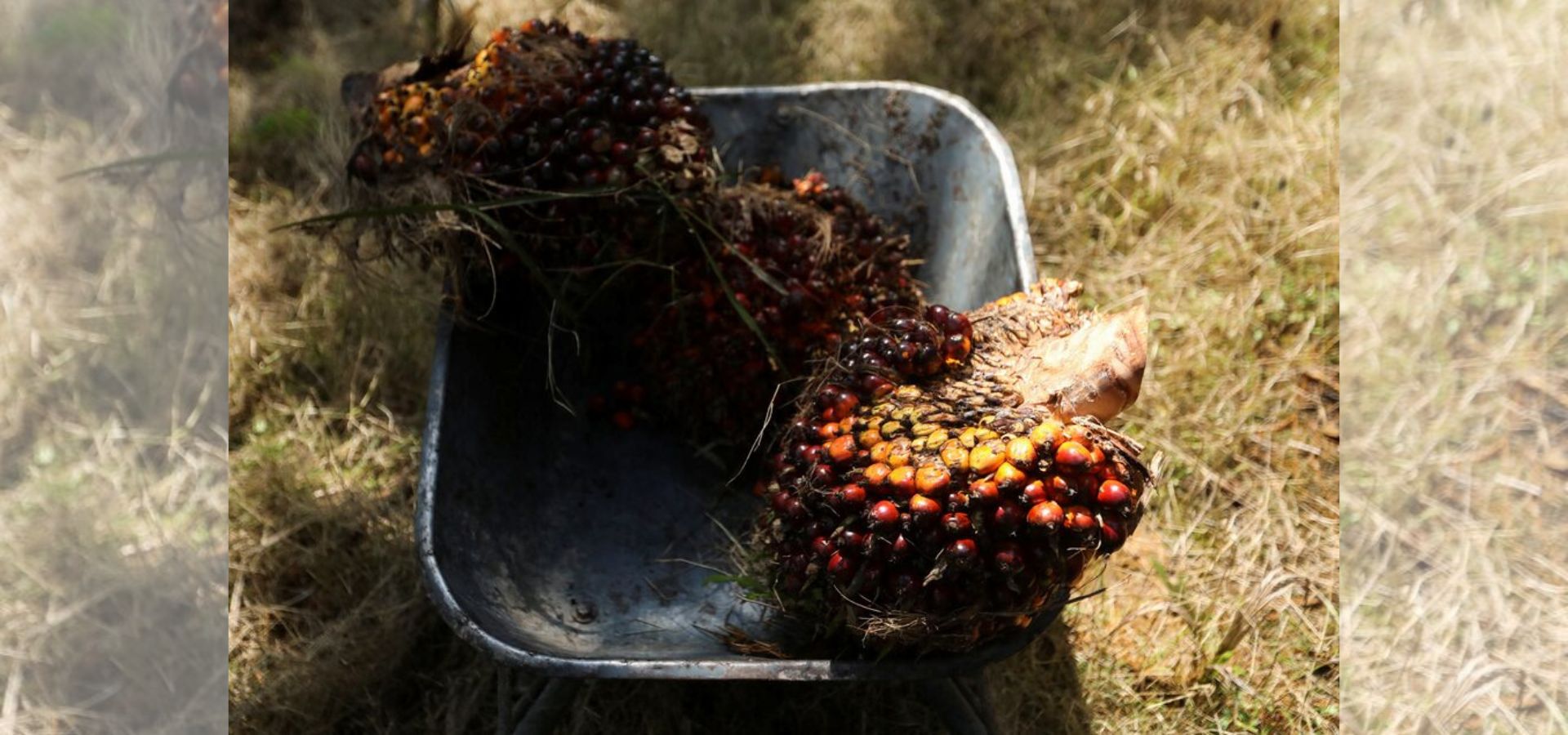
Growing tensions between Asian palm oil producers and the European Union
Jan 16 (Reuters) - Malaysia on Thursday said it could stop exports to the European Union in response to a new law the EU says is aimed at protecting forests by restricting palm oil imports.
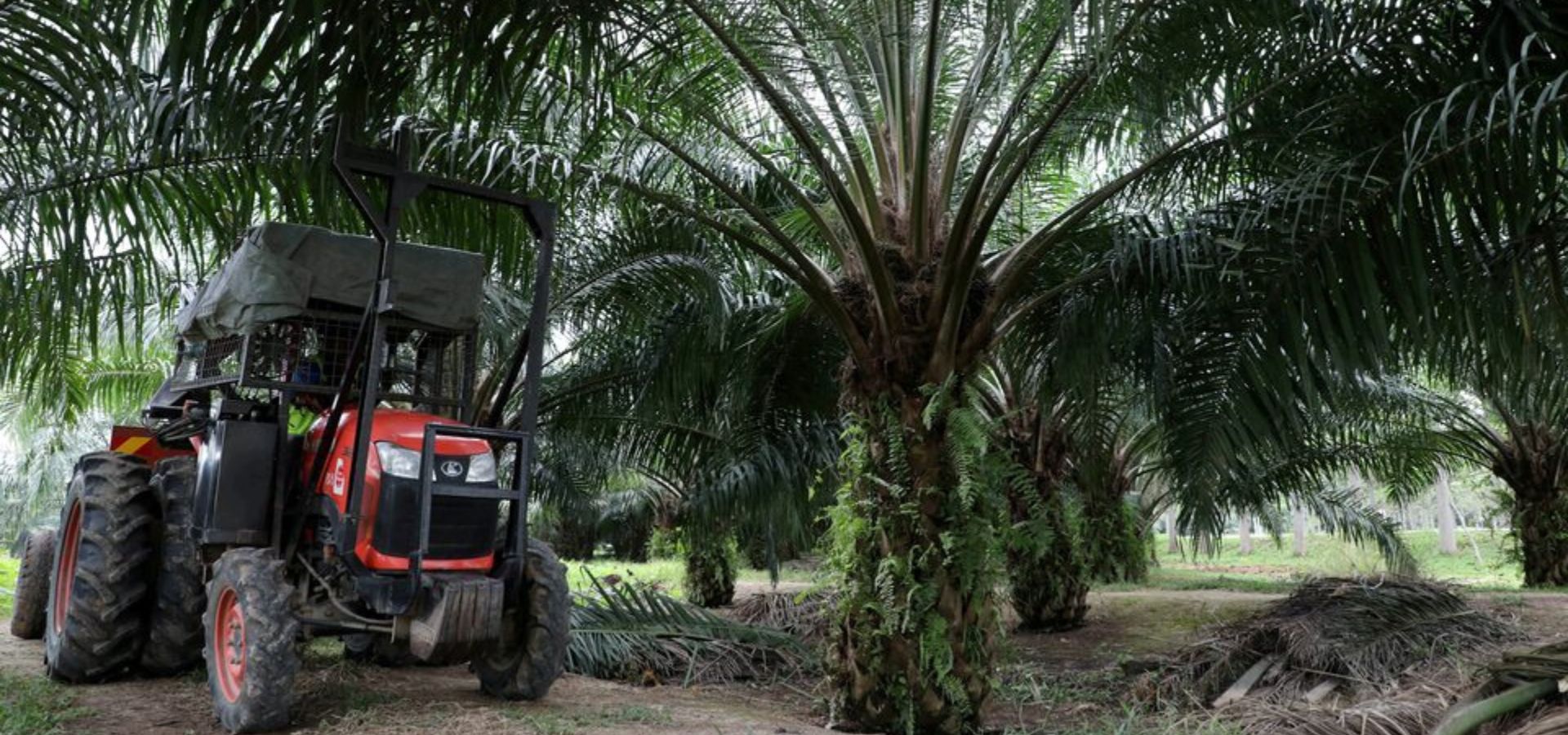
EXCLUSIVE Indonesia, Malaysia eye joint campaign in Europe to counter palm oil critics
KUALA LUMPUR, Jan 19 (Reuters) - The world's top producers of palm oil, Indonesia and Malaysia, are looking to join forces for the first time to run an advocacy campaign in Europe, where increasingly tight regulations are threatening sales in their third biggest market.
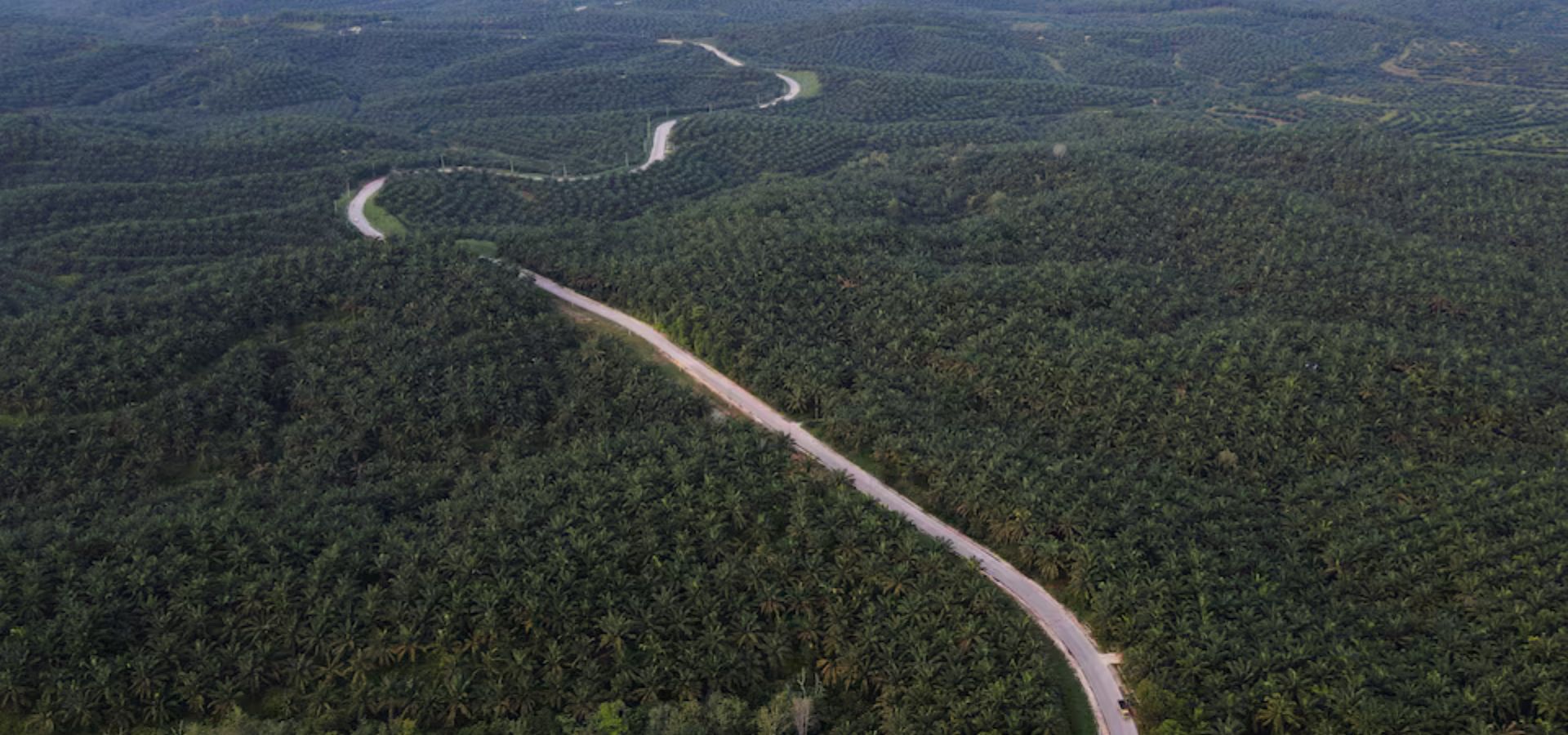
Indonesia, Malaysia, EU work on guide for smallholders on EU deforestation rules
JAKARTA, Oct 11 (Reuters) - Indonesia, Malaysia and the European Union will formulate a practical guide to EU deforestation rules (EUDR) for smallholders by November, an intergovernmental group representing palm oil producers said on Friday.
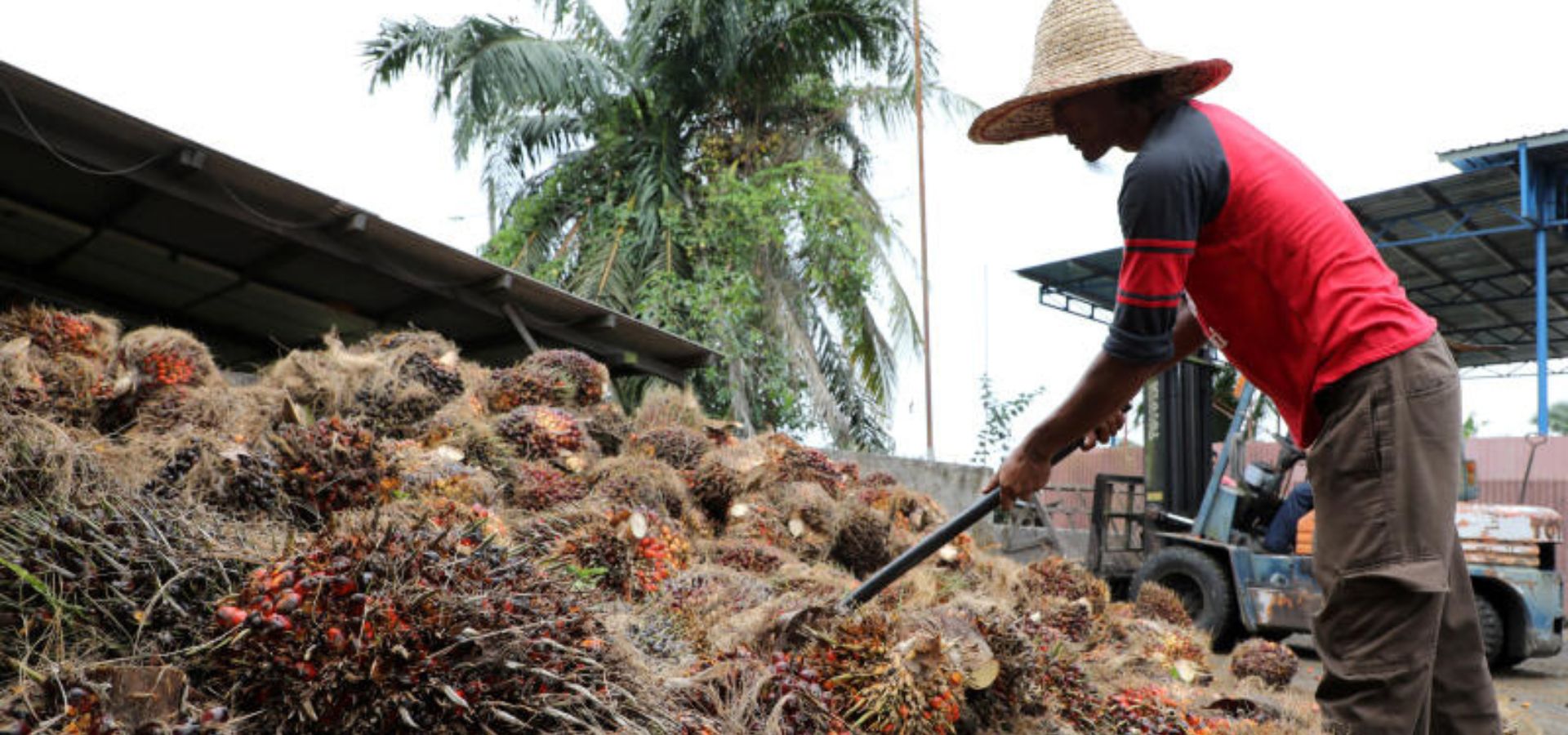
Indonesia, Malaysia eye joint campaign in Europe to counter palm oil critics
KUALA LUMPUR (REUTERS) - The world's top producers of palm oil, Indonesia and Malaysia, are looking to join forces for the first time to run an advocacy campaign in Europe, where increasingly tight regulations are threatening sales in their third-biggest market.
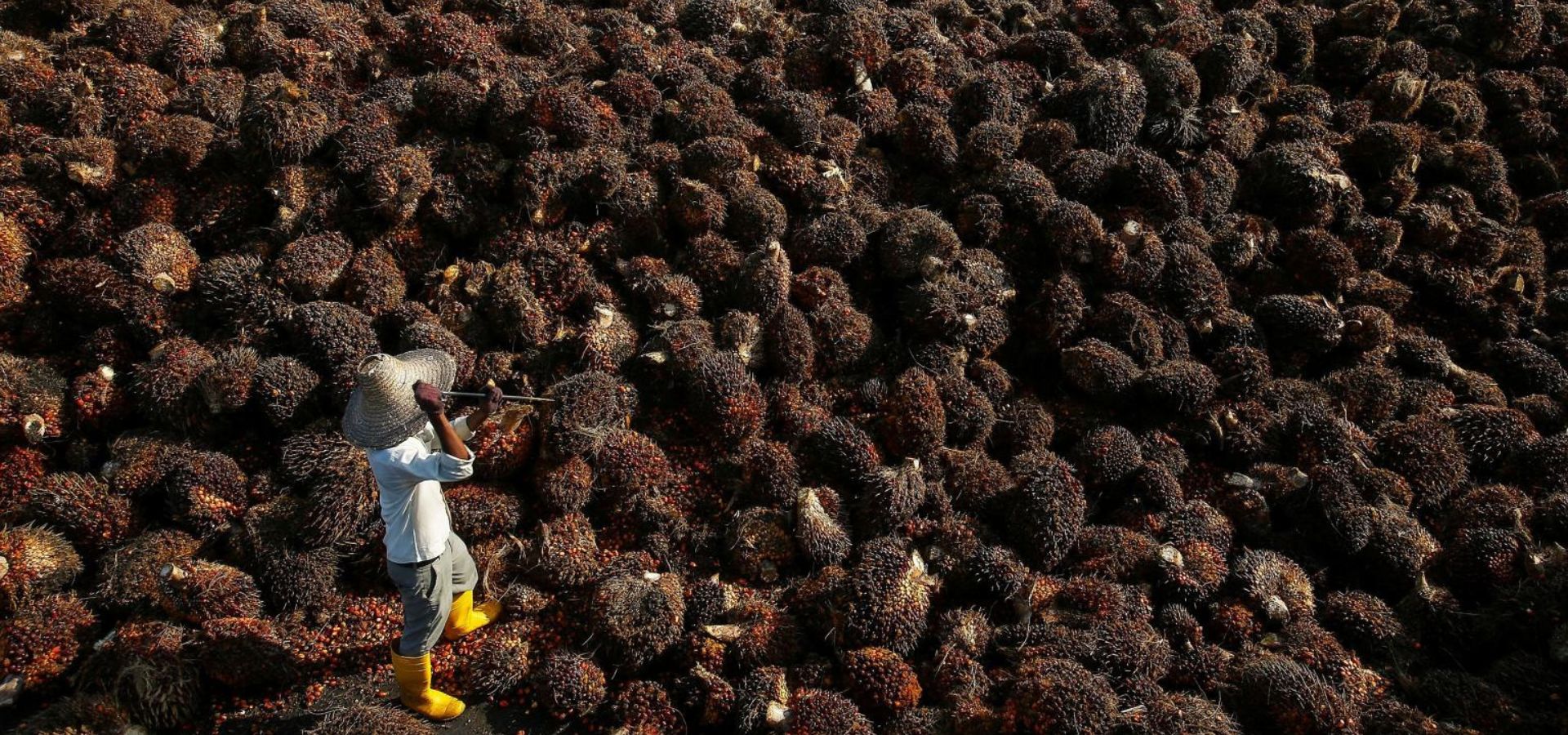
Indonesia, Malaysia team up to win over EU palm oil critics
KUALA LUMPUR • The world's top producers of palm oil, Indonesia and Malaysia, are looking to join forces for the first time to run an advocacy campaign in Europe, where increasingly tight regulations are threatening sales in their third-biggest market.
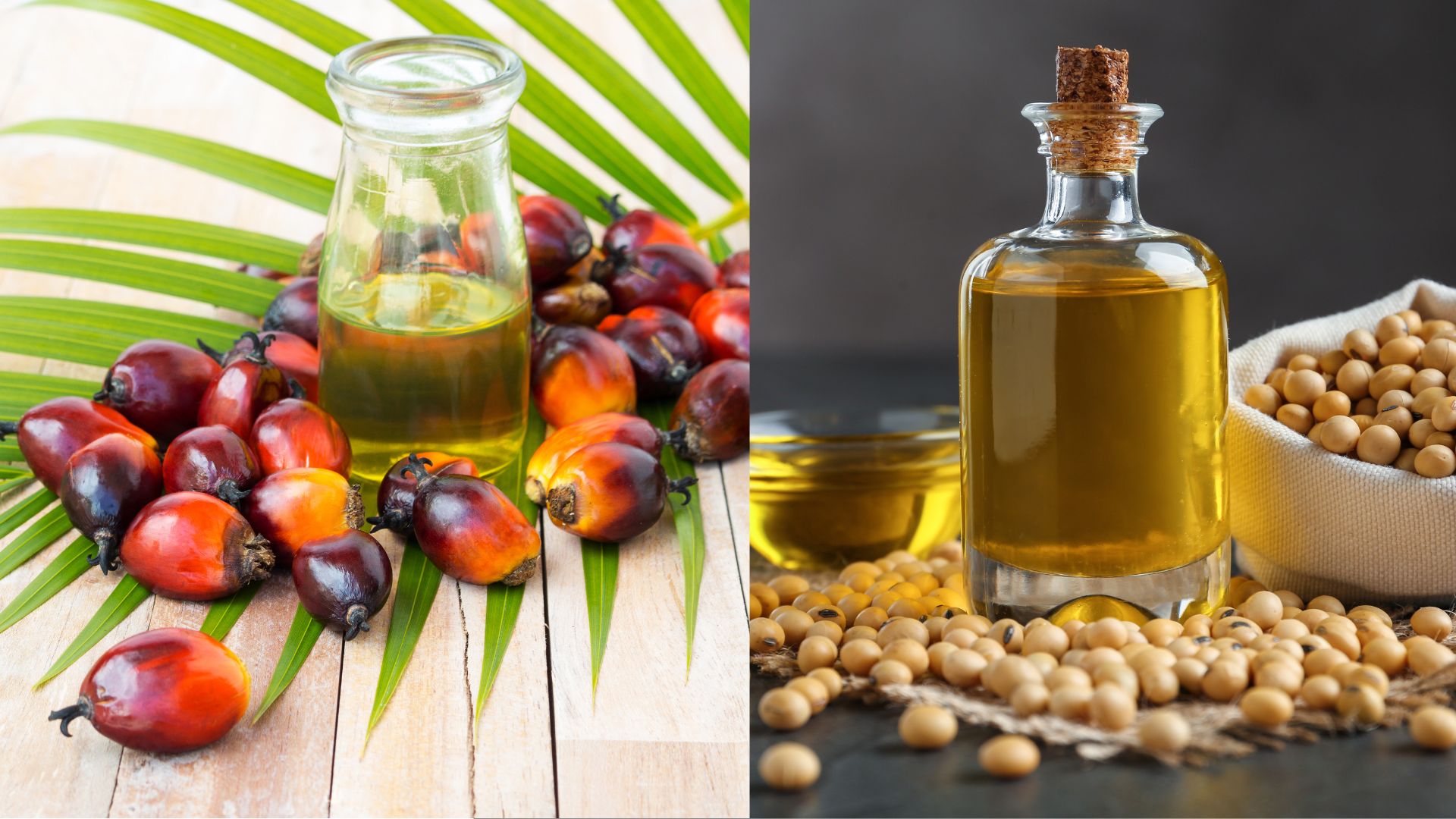
India,s Shift to Soyoil Temporary, says Palm Oil body,s Gunalan
MUMBAI – Although demand for edible oil in India has recently seen a shift from palm oil to soyoil, it will be temporary. It may happen when palm oil prices rise. However, this may not become a trend as major soyoil exporting nations are focusing on implementing biodiesel policies. Countries like the US and Brazil...
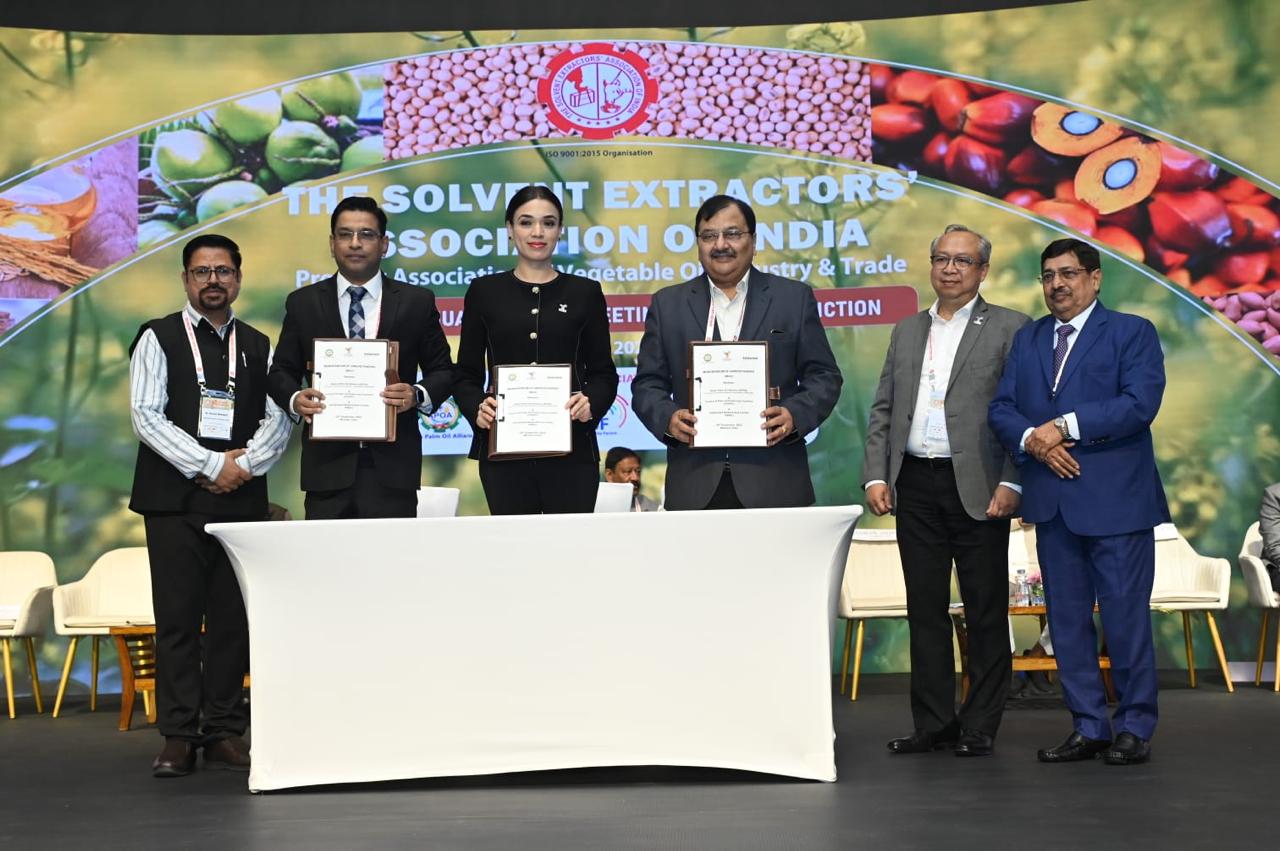
Asian Palm Oil Alliance and Council of Palm Oil Producing Countries to Build a Stable and Sustainable Palm Oil Supply Chain for Asia
The Asian Palm Oil Alliance (APOA), the Council of Palm Oil Producing Countries (CPOPC), and Solidaridad Network Asia Limited...
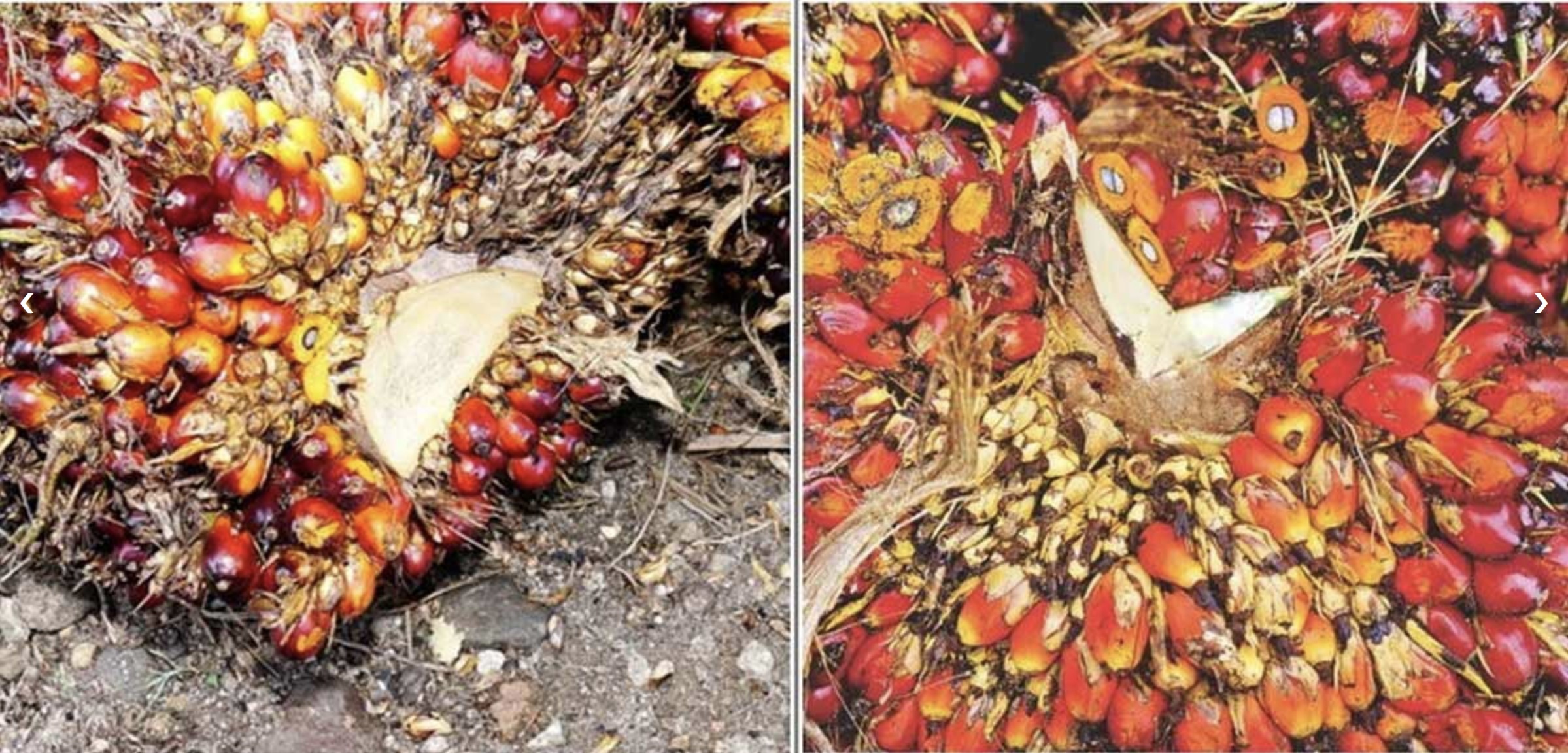
CPOPC Secretariat Further Engaged Papua New Guinean Smallholders
The CPOPC Secretariat conducted a follow up session of the Smallholders Outreach Program (SOP) with smallholders of Papua New Guinea (PNG)
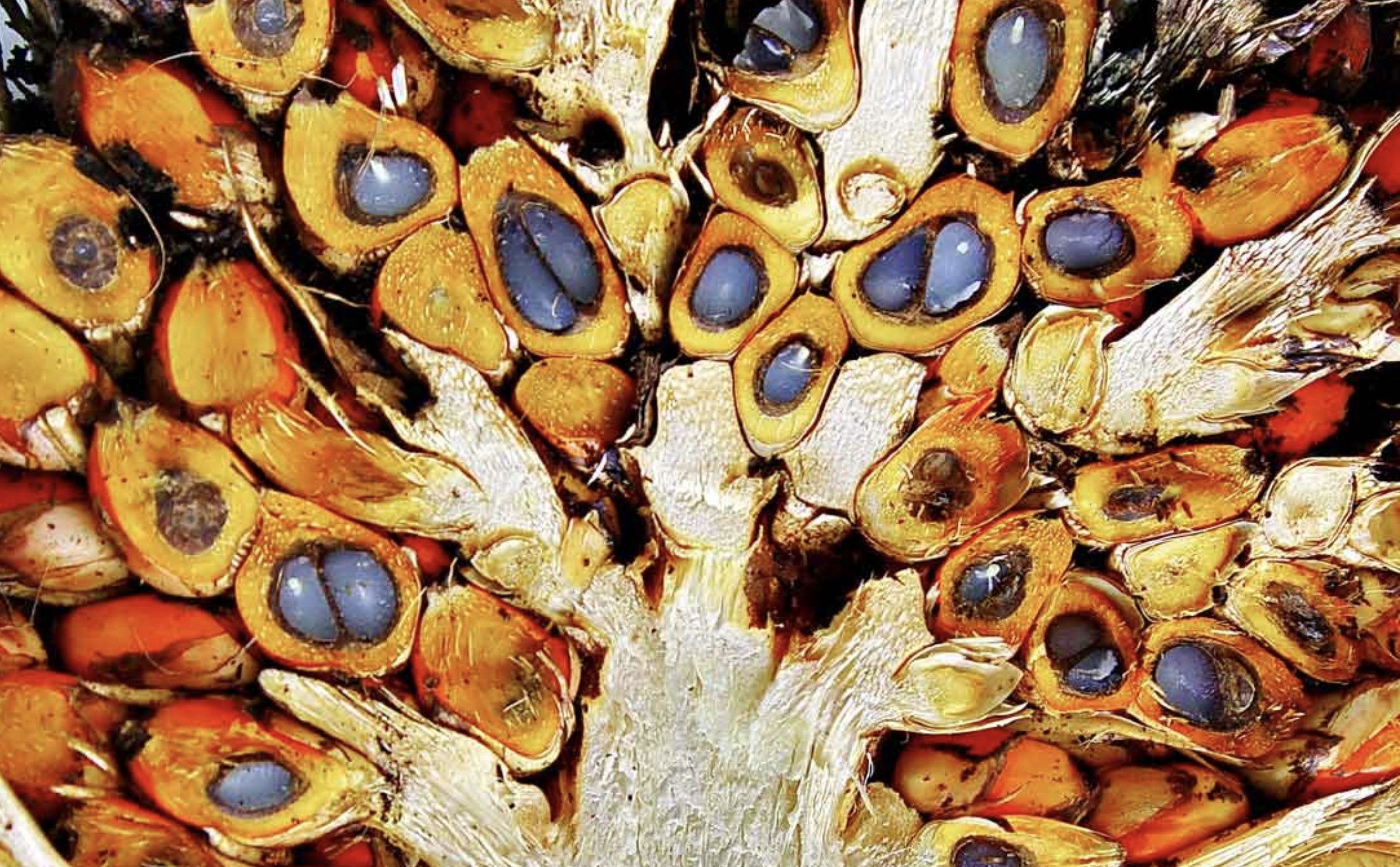
The Environmental Footprint Of Palm Oil
The recent haze crisis saw a greater level scrutiny on oil palm plantations in the region. There was, however, a difference between this year’s event and occurrences in 2015 and earlier